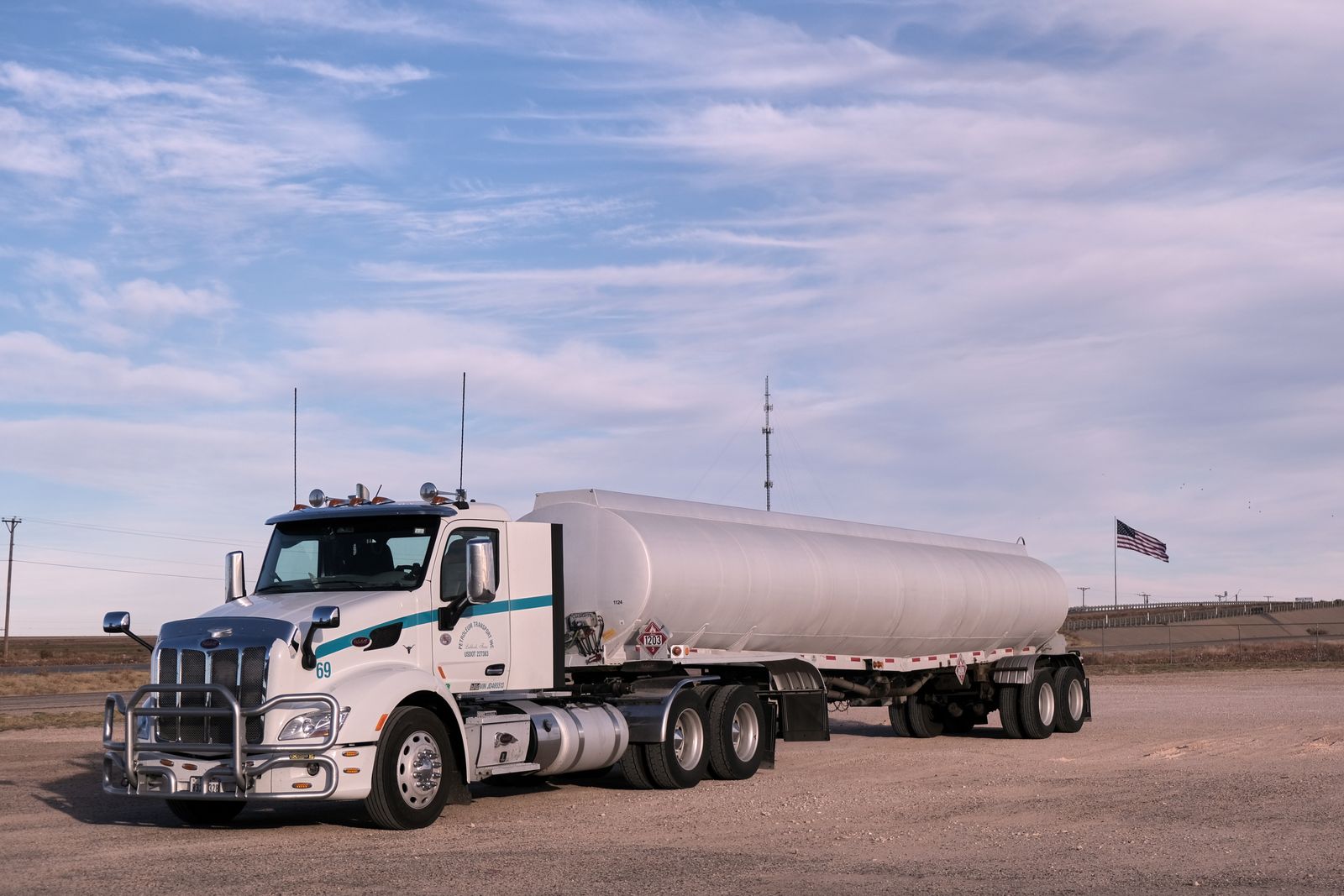
Introduction to Speed Management
Speed management is a critical aspect of fleet management, as it directly impacts the safety of drivers, other road users, and the overall efficiency of commercial fleets. With the increasing focus on ELD compliance and the recent purge of non-compliant ELDs by the FMCSA, it's essential for fleet managers to prioritize speed management as part of their overall compliance strategy. In this article, we'll explore the importance of speed management, the risks associated with excessive speeding, and provide actionable tips for fleets to implement effective speed management practices.
The Risks of Excessive Speeding
Excessive speeding is a significant contributor to accidents involving commercial motor vehicles (CMVs). According to the FMCSA, speeding was a factor in 17% of all fatal crashes involving large trucks in 2020. The consequences of excessive speeding can be severe, including loss of life, injuries, and damage to property. Moreover, speeding can also lead to increased fuel consumption, reduced vehicle lifespan, and higher maintenance costs. For fleet managers, the risks of excessive speeding extend beyond safety concerns, as it can also impact their fleet's reputation, insurance rates, and ultimately, their bottom line.
ELDs and Speed Management
Electronic Logging Devices (ELDs) play a crucial role in speed management, as they provide real-time data on vehicle speed, location, and driver behavior. With the FMCSA's ELD mandate in place, fleets are now required to use ELDs to track driver hours of service (HOS) and other safety-related data. By leveraging ELD data, fleet managers can identify patterns of excessive speeding, monitor driver behavior, and take corrective action to prevent accidents. For instance, VELMAX's ELD solution provides fleets with real-time insights into driver behavior, enabling them to take proactive measures to improve safety and reduce the risk of accidents.
Implementing Effective Speed Management Practices
To implement effective speed management practices, fleet managers should consider the following strategies:
- Set clear speed policies: Establish a clear speed policy that outlines the expected behavior for drivers, including maximum speed limits and consequences for excessive speeding.
- Monitor driver behavior: Use ELD data to monitor driver behavior, including speeding, hard braking, and acceleration.
- Provide driver training: Provide regular driver training on speed management, including defensive driving techniques and the importance of adhering to speed limits.
- Use GPS tracking: Use GPS tracking to monitor vehicle speed and location in real-time, enabling fleet managers to take corrective action in case of excessive speeding.
- Conduct regular vehicle inspections: Conduct regular vehicle inspections to ensure that vehicles are properly maintained, including tires, brakes, and suspension systems.
The Role of Technology in Speed Management
Technology plays a vital role in speed management, as it enables fleets to monitor driver behavior, track vehicle speed, and take corrective action in real-time. Some of the key technologies used in speed management include:
- GPS tracking: GPS tracking provides real-time data on vehicle speed, location, and driver behavior.
- Telematics: Telematics provides detailed insights into vehicle performance, including speed, acceleration, and braking patterns.
- Driver scorecards: Driver scorecards provide a comprehensive overview of driver behavior, including speeding, hard braking, and acceleration.
- Automated alerts: Automated alerts enable fleet managers to receive real-time notifications in case of excessive speeding, enabling them to take corrective action.
Conclusion
Speed management is a critical aspect of fleet management, as it directly impacts the safety of drivers, other road users, and the overall efficiency of commercial fleets. By implementing effective speed management practices, including setting clear speed policies, monitoring driver behavior, and leveraging technology, fleets can reduce the risk of accidents, improve safety, and maintain compliance with FMCSA regulations. As the trucking industry continues to evolve, it's essential for fleet managers to prioritize speed management as part of their overall compliance strategy, ensuring that their drivers and vehicles are operating safely and efficiently on the roads. By doing so, fleets can reduce their risk exposure, improve their reputation, and ultimately, increase their bottom line.