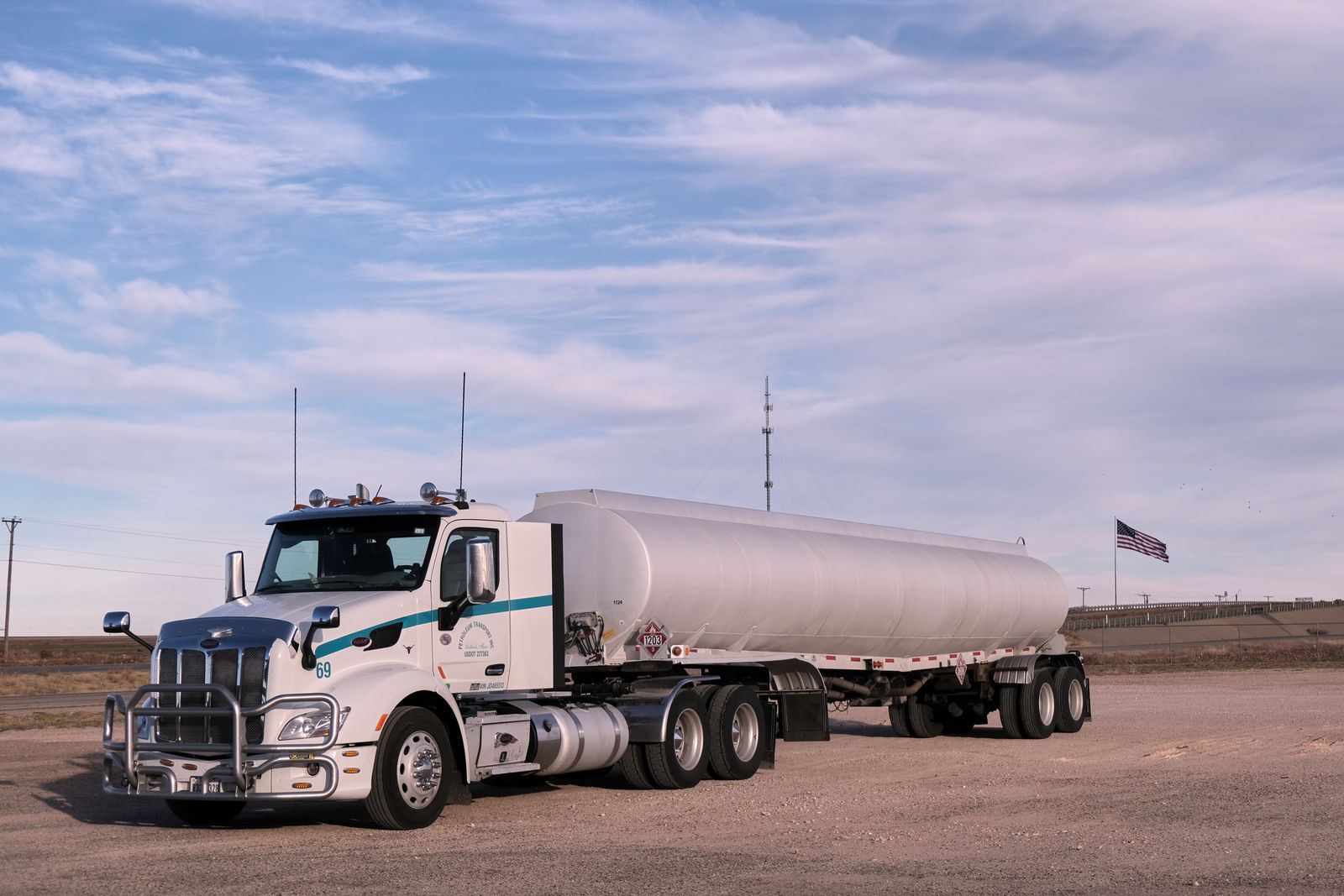
Fuel is typically the second-largest operating expense for a trucking company, right behind driver wages. For a fleet running ten trucks at current diesel prices, even a 10% reduction in fuel consumption can mean tens of thousands of dollars saved each year. GPS fleet tracking is one of the most direct tools available for achieving that reduction — not by driving less, but by driving smarter.
Why Fuel Costs Are a GPS Problem
Most fleet fuel waste comes from three behaviors: inefficient routing, excessive idling, and aggressive driving. None of these are visible from the dispatch office without real-time data. GPS tracking changes that by giving fleet managers a continuous stream of information about exactly where each vehicle is, how it is being operated, and whether the route being driven matches the one that was planned.
Route Optimization
Every unnecessary mile a truck travels burns fuel that earns nothing. GPS tracking exposes the gap between planned routes and actual routes. Common causes of route deviation include drivers taking familiar roads instead of optimized ones, last-minute dispatch changes that were not reflected in the original plan, and traffic avoidance decisions made without visibility into the full route picture.
Modern GPS fleet platforms can calculate the most fuel-efficient route for a given load, factoring in distance, road grade, speed limits, and real-time traffic. When drivers are dispatched with optimized routes and tracked against them, unnecessary mileage drops significantly. A 5% mileage reduction across a ten-truck fleet running 100,000 miles per year each is 50,000 fewer miles — at 6 miles per gallon and $4.00 per gallon, that is more than $33,000 saved annually.
Idle Time Reduction
An idling diesel engine burns roughly 0.8 gallons of fuel per hour. Trucks waiting at loading docks, sitting in traffic with the engine running for climate control, or idling in a truck stop overnight can accumulate two to four hours of idle time per day without any driver malice — it is simply habit.
GPS tracking systems log idle time per vehicle and per driver. When fleet managers can see that Vehicle 7 idles an average of 3.2 hours per day, they can address it specifically. In most cases, simply showing drivers their idle data — without any punitive action — reduces idling by 20–40%. Pairing that data with an anti-idle policy and, where regulations permit, engine shutdown timers, brings the number down further.
For a fleet of ten trucks idling an average of 3 hours per day, reducing idle time to 1 hour per day saves 1.6 gallons per truck per day. Across the fleet, that adds up to roughly 4,160 gallons over 260 working days — about $16,600 per year at $4.00 per gallon.
Driver Behavior Monitoring
Aggressive acceleration, hard braking, and speeding all increase fuel consumption significantly. Rapid acceleration from a stop can reduce fuel economy by 15–30% compared to smooth acceleration. Driving at 75 mph versus 65 mph increases fuel consumption by approximately 14%.
GPS tracking with driver behavior scoring gives fleet managers visibility into these patterns. Drivers who consistently score poorly on smoothness or speed compliance get targeted coaching. This is not punitive management — most drivers do not realize how their habits affect fuel consumption until they see the numbers. Once they do, most adjust voluntarily.
Maintenance and Fuel Efficiency
A poorly maintained vehicle burns more fuel. Under-inflated tires increase rolling resistance and can reduce fuel economy by 0.5% per pound of pressure below the optimal level. Clogged air filters, worn injectors, and misaligned wheels all create drag that costs fuel.
GPS tracking systems that integrate with engine diagnostics (via J1939/J1708 data) can flag low tire pressure alerts, check engine lights, and pending maintenance codes before they become expensive problems. Keeping vehicles in peak mechanical condition is a fuel-saving strategy as much as a maintenance strategy.
Calculating Your ROI
Before investing in GPS fleet tracking, run a quick estimate:
- Current fuel spend — total gallons per month multiplied by current price per gallon.
- Estimated savings — a realistic target for a fleet new to GPS tracking is 8–12% fuel reduction in the first year.
- Platform cost — compare the monthly per-truck fee against the projected monthly savings.
For most fleets, GPS tracking pays for itself within 3–6 months through fuel savings alone, before accounting for labor efficiency gains, reduced vehicle wear, and improved customer service from more accurate ETAs.
How VELMAX Helps
VELMAX includes real-time GPS tracking, idle time reporting, and driver behavior scoring as core features — not add-ons that cost extra. Every truck running our ELD gives you the data you need to start cutting fuel costs immediately. Fleet managers get a single dashboard showing location, idle time, and driving behavior across the entire fleet, updated in real time.
If you are ready to see what GPS tracking can do for your fuel budget, contact the VELMAX team for a demo. We will walk you through exactly what data you will see and how fleets similar to yours have used it to reduce costs.