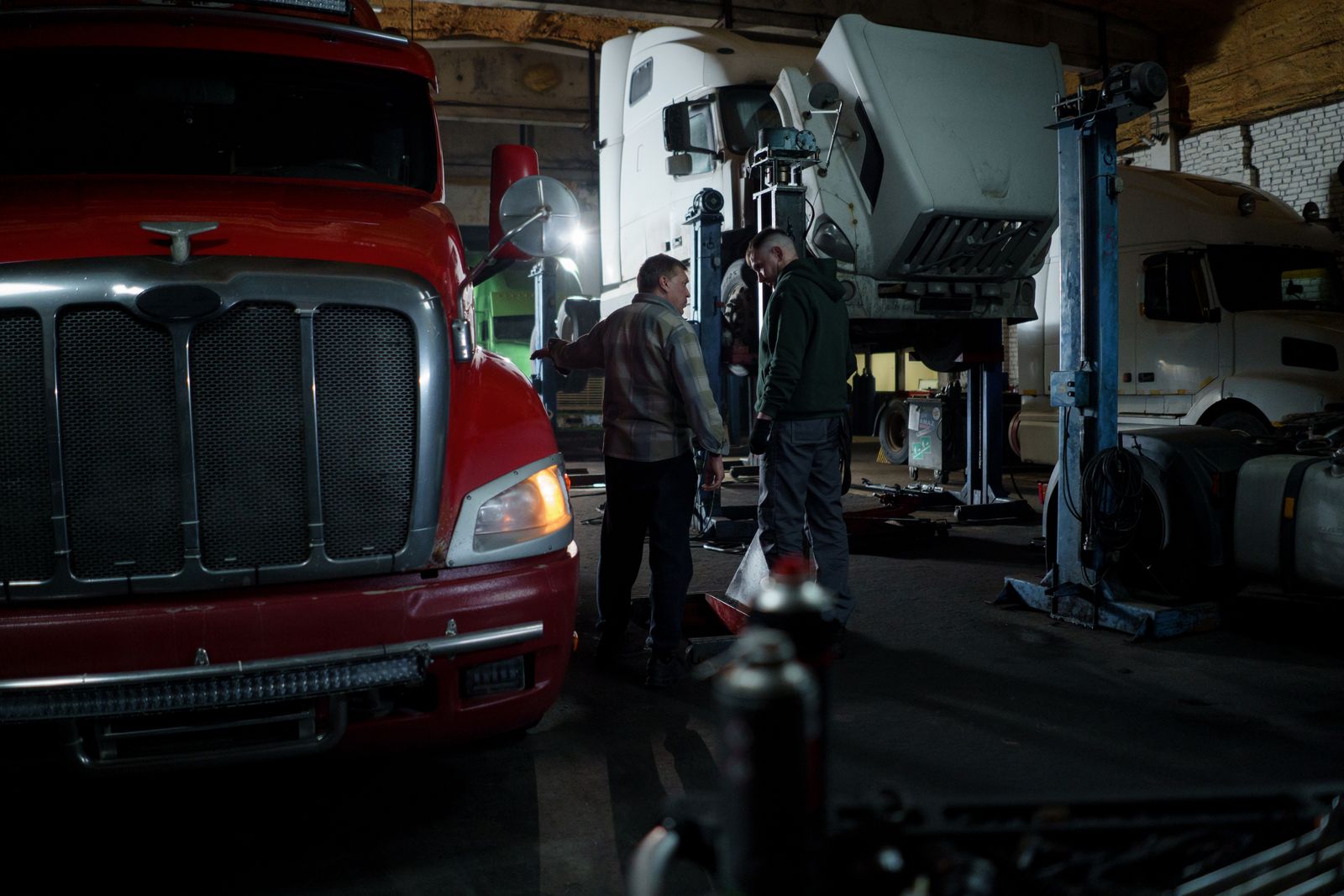
Unplanned downtime is one of the most expensive problems a fleet can face. When a truck breaks down on the road, the costs compound quickly: emergency towing, roadside repair premiums, missed delivery windows, unhappy customers, and a driver sitting idle. The American Trucking Associations estimates that unplanned maintenance costs 30-50% more than scheduled preventive maintenance, and the average cost of a single roadside breakdown exceeds $1,000 before repair costs are even considered.
The solution is not spending more on maintenance — it is spending smarter, using vehicle diagnostics and data-driven scheduling to catch problems before they leave a truck stranded.
Understanding Vehicle Diagnostics
Modern commercial vehicles generate a continuous stream of diagnostic data through their onboard computer systems. The two primary communication protocols are J1939 (used in most trucks manufactured after 2001) and J1708 (used in older vehicles). These protocols transmit data about engine performance, transmission health, emission systems, brake status, and dozens of other parameters.
When the vehicle's computer detects an abnormal condition, it generates a Diagnostic Trouble Code (DTC). DTCs are standardized codes that identify the specific system and nature of the fault. For example:
- SPN 100 / FMI 1 — Engine oil pressure is below the normal range
- SPN 110 / FMI 0 — Engine coolant temperature is above the normal range
- SPN 3226 / FMI 2 — Aftertreatment diesel exhaust fluid (DEF) quality is erratic
Each DTC has a Suspect Parameter Number (SPN) identifying the component and a Failure Mode Identifier (FMI) describing the type of failure. Understanding these codes — or having a system that translates them automatically — is the foundation of proactive maintenance.
From Reactive to Preventive Maintenance
Most small and mid-size fleets operate on a reactive maintenance model: fix things when they break. This approach is expensive, unpredictable, and dangerous. A preventive maintenance program shifts the strategy to fixing things before they break, based on data rather than guesswork.
Mileage and Engine-Hour Based Scheduling
The simplest form of preventive maintenance is scheduling service at fixed intervals — oil changes every 25,000 miles, brake inspections every 50,000 miles, coolant replacement every 600,000 miles or five years. These intervals are established by the vehicle manufacturer and should be treated as minimum requirements.
Fleet management systems track mileage and engine hours automatically through the ELD's connection to the vehicle's diagnostic port. When a truck approaches a service interval, the system generates an alert so the maintenance team can schedule the work during planned downtime rather than dealing with it as an emergency.
Condition-Based Monitoring
Condition-based maintenance goes further by using real-time diagnostic data to determine when service is actually needed, rather than relying solely on mileage intervals. A truck that operates in stop-and-go city traffic puts more stress on its brakes and transmission than one running long-haul interstate routes, even at the same mileage.
By monitoring DTCs, oil pressure trends, coolant temperature patterns, and other engine parameters, fleet managers can identify trucks that need attention sooner than the standard schedule suggests — and trucks that can safely extend their service interval.
Key Systems to Monitor
Engine
Monitor oil pressure, coolant temperature, turbo boost pressure, and exhaust gas temperature. Gradual changes in these readings often indicate developing problems. A slow decline in oil pressure over several weeks, for example, may signal a worn oil pump or bearing issue that can be addressed during a scheduled shop visit rather than as a catastrophic failure on the highway.
Aftertreatment and Emissions
DPF (Diesel Particulate Filter) regeneration cycles, DEF consumption rates, and NOx sensor readings are common sources of unexpected downtime. A DPF that is not regenerating properly will eventually derate the engine, limiting speed and power. Monitoring regen frequency and duration helps identify problems early.
Brakes
Brake-related DTCs, air system pressure readings, and ABS fault codes should trigger immediate review. Brake failures are both a safety issue and a certain out-of-service violation during a DOT inspection.
Electrical System
Battery voltage, alternator output, and starter motor health affect everything else on the truck. A failing alternator that goes undetected will drain the battery and leave the truck stranded.
Building a Maintenance Workflow
Step 1: Centralize Your Data
All diagnostic data, mileage, engine hours, and service records should live in one system. If you are already running an ELD with vehicle diagnostics capability, that system is a natural starting point. VELMAX captures J1939 diagnostic data from every connected vehicle and displays active fault codes on the fleet management dashboard.
Step 2: Define Your Service Intervals
Create a maintenance schedule for each vehicle type in your fleet based on manufacturer recommendations and your operating conditions. Include all major systems: engine, transmission, brakes, tires, electrical, and aftertreatment.
Step 3: Configure Alerts
Set up automated alerts for two categories:
- Scheduled maintenance approaching — triggered by mileage or engine hours reaching a defined threshold (e.g., "Oil change due in 2,000 miles")
- Active DTC detected — triggered by the vehicle's computer generating a fault code, with priority levels based on severity
Step 4: Track and Measure
Record every maintenance event — planned and unplanned. After six months, compare your unplanned maintenance rate against your baseline. Fleets that implement a structured preventive maintenance program typically see unplanned downtime decrease by 25-40% in the first year.
The Cost of Downtime vs. Prevention
Consider a single truck generating $1,500 per day in revenue. One day of unplanned downtime costs:
- $1,500 in lost revenue
- $300-$1,000 in towing and emergency repair premiums
- $200-$500 in driver hotel and per diem costs
- Potential customer penalties for missed delivery windows
Total: $2,000-$3,000+ for a single breakdown event.
Compare that to the cost of a preventive maintenance inspection ($200-$500) performed during scheduled downtime, and the math is clear. A fleet that prevents even two or three breakdowns per year per truck recovers far more than the cost of a comprehensive maintenance program.
Tire Management
Tires deserve special mention because they are both the most common cause of roadside breakdowns and one of the easiest systems to manage proactively. Under-inflated tires increase fuel consumption, accelerate wear, and are the leading cause of tire blowouts.
Regular tire pressure monitoring — whether manual or through a tire pressure monitoring system (TPMS) — combined with tread depth checks and alignment inspections prevents the majority of tire-related breakdowns. A $300 tire replaced during a scheduled stop is far cheaper than a $300 tire plus a $600 tow, plus a day of lost revenue.
Getting Ahead of the Problem
Fleet maintenance is not glamorous, but it is one of the most direct paths to profitability. Every breakdown you prevent is revenue preserved, a driver who stays productive, and a customer who gets their freight on time. The data is already flowing from your trucks — the question is whether you are using it.