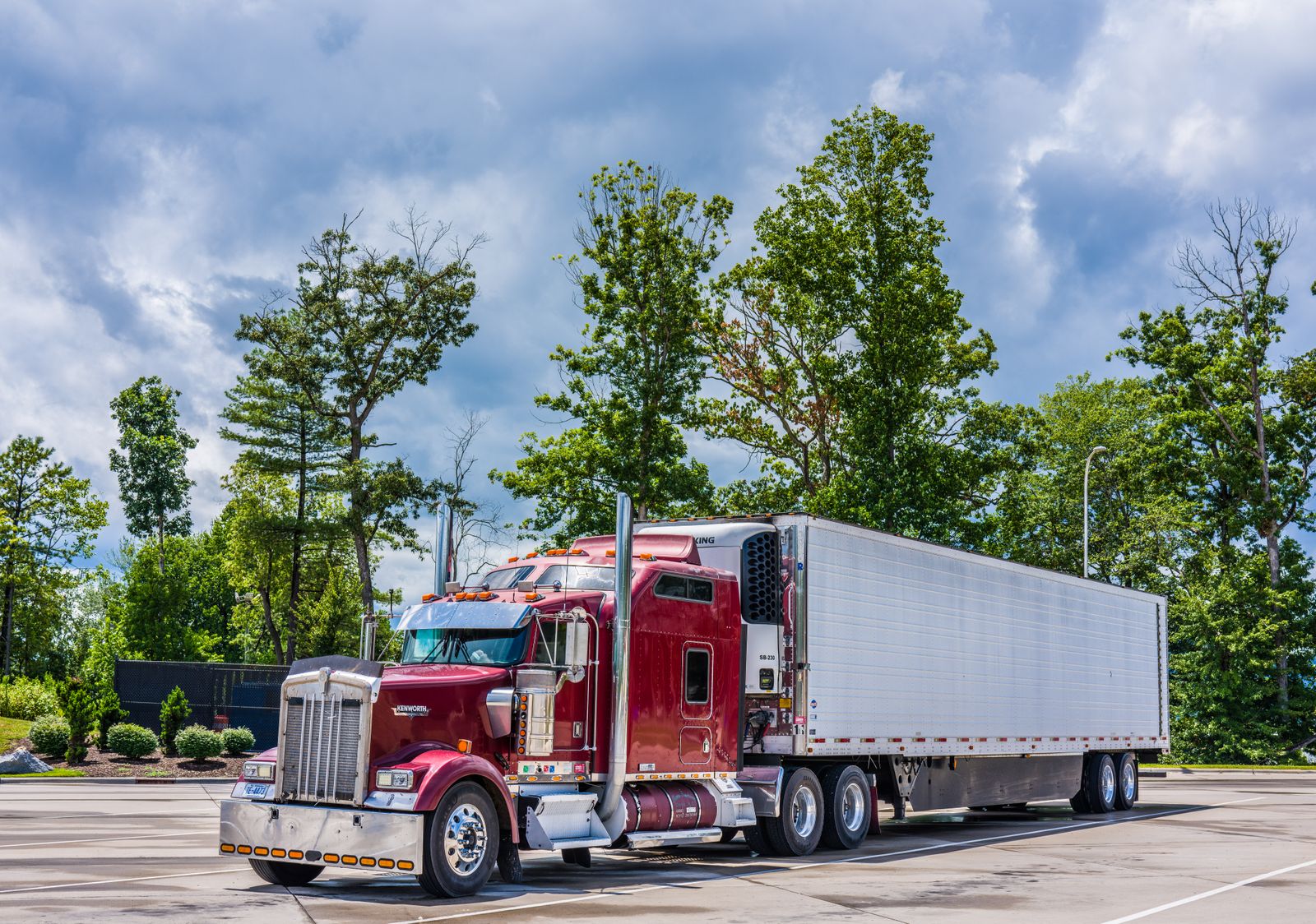
The trucking industry has a driver retention problem that costs billions of dollars every year. The American Trucking Associations reports annualized turnover rates of 80-95% at large truckload carriers and 60-75% at smaller fleets. Replacing a single driver costs an estimated $8,000-$12,000 when you account for recruiting, hiring, training, and lost productivity during the transition.
While pay and home time are the top factors in a driver's decision to stay or leave, fleet technology plays a larger role than many carriers realize. Drivers who feel that their tools are outdated, their time is being wasted, or their logs are being managed unfairly are significantly more likely to look for another carrier. This article examines how modern fleet technology directly impacts driver satisfaction and retention.
The Driver Experience Gap
Most fleet technology is designed for fleet managers and dispatchers. Drivers interact with it daily but rarely have input into the selection process. The result is a technology experience gap: the back office sees a powerful management platform while the driver sees a clunky app that makes their job harder.
Closing this gap starts with understanding what drivers actually need from their technology:
- Simplicity. Drivers are not IT professionals. The app should require minimal taps to complete routine tasks — logging duty status changes, submitting DVIRs, communicating with dispatch.
- Reliability. Nothing frustrates a driver more than an ELD that crashes mid-route, loses GPS signal, or fails during a DOT inspection. Technology that does not work reliably is worse than no technology at all.
- Fairness. Drivers want assurance that their HOS logs accurately reflect their day. An ELD that starts the 14-hour clock early because of a GPS glitch, or that fails to capture a sleeper berth split correctly, costs the driver legal driving time and money.
- Communication. Drivers want to know their load details, delivery times, and any changes without having to call dispatch repeatedly. In-app messaging and load information reduce frustration and phone tag.
How ELD Quality Affects Retention
An ELD is the single piece of technology a driver interacts with most frequently. A bad ELD experience drives drivers away. A good one becomes invisible — it does its job without getting in the way.
Accurate HOS Tracking
Drivers are acutely sensitive to HOS accuracy because it directly affects their earning potential. An ELD that miscounts driving time by even 15-20 minutes per day can cost a driver several hours of available driving time per week. Over the course of a year, that adds up to thousands of dollars in lost revenue.
Common ELD accuracy issues that frustrate drivers include:
- Slow GPS fixes that record driving time before the truck actually moves
- Failure to properly handle yard moves versus road driving
- Incorrect automatic duty status changes
- Poor handling of the sleeper berth split provision
Drivers talk to each other — at truck stops, on forums, and on social media. Word spreads quickly about which ELD providers have accurate tracking and which ones cost drivers time. VELMAX is built with driver accuracy as a priority, including configurable yard move detection and reliable sleeper berth calculations.
User Interface Design
A driver switching duty statuses 10-15 times per day needs an interface that responds instantly and requires minimal interaction. ELD apps with buried menus, slow loading screens, or confusing layouts generate daily frustration that compounds over weeks and months.
The best ELD interfaces show the most important information — remaining drive time, current duty status, next required break — on the main screen without any navigation. Everything a driver needs during a normal driving day should be visible at a glance.
Inspection Confidence
Drivers dread DOT inspections partly because they worry about technology failing at the worst moment. An ELD that makes DOT mode easy to access, data transfer reliable, and log display clear gives drivers confidence that an inspection will go smoothly. That confidence matters more than fleet managers might think — inspection anxiety is a real source of driver stress.
Mobile App as a Retention Tool
Beyond the ELD itself, a well-designed driver mobile app can significantly improve the daily experience:
Load information at a glance. Drivers should see pickup and delivery details, addresses, contact numbers, and special instructions without calling dispatch. This saves time, reduces errors, and gives drivers a sense of autonomy.
Document scanning. Drivers who can photograph and submit bills of lading, delivery receipts, and fuel receipts from their phone spend less time on paperwork and get paid faster. Carriers that still require paper document submission at the terminal are at a retention disadvantage.
Pay and settlement visibility. Drivers want to know what they have earned, what loads contributed to their pay, and when payment will arrive. A mobile app that shows settlement details in real time builds trust and reduces pay disputes.
Two-way messaging. In-app messaging between drivers and dispatch creates a written record, reduces misunderstandings, and allows asynchronous communication. A driver who can send a message about a delay without sitting on hold for 20 minutes has a measurably better day.
Fair Treatment Through Transparency
One of the most powerful retention tools is transparency. When drivers can see exactly how their HOS are being tracked, how their safety score is calculated, and how their performance compares to reasonable benchmarks, they feel treated fairly — even when the news is not always good.
Technology enables this transparency:
- Driver-facing dashboards that show safety scores, fuel efficiency, and on-time delivery rates give drivers ownership of their performance.
- Editable logs with annotations allow drivers to correct legitimate errors and document the reason, rather than being stuck with an inaccurate record they cannot fix.
- Consistent enforcement through system-generated alerts means all drivers are held to the same standard, eliminating perceptions of favoritism.
The Cost of Ignoring Driver Experience
Fleet managers focused solely on compliance and cost often overlook how technology choices affect retention. But the math is compelling:
- Replacing one driver: $8,000-$12,000
- Annual turnover of 5 drivers in a 20-truck fleet: $40,000-$60,000
- Reducing turnover by 20% through better technology and driver experience: $8,000-$12,000 saved per year
That savings more than covers the cost difference between a mediocre ELD provider and a good one.
What Drivers Actually Say
In driver satisfaction surveys, technology-related complaints consistently rank among the top five reasons for leaving a carrier:
- Poor ELD reliability and accuracy
- Outdated or overly complicated apps
- Lack of communication tools
- Feeling monitored without benefit
- Technology that wastes time rather than saving it
Each of these is solvable with the right technology choices and implementation approach.
Building a Driver-Friendly Tech Stack
If you want to use technology as a retention tool, start with the driver's daily experience and work backward:
- Ask your drivers. Before choosing or switching technology, ask your current drivers what frustrates them about their current tools. Their answers will be specific and actionable.
- Prioritize reliability over features. A simple ELD that works every time beats a feature-rich platform that crashes weekly.
- Invest in onboarding. Thirty minutes of hands-on training when a driver starts saves months of frustration. Provide a quick-reference card in every cab.
- Respond to feedback. When a driver reports a technology issue, resolve it quickly. Ignoring driver feedback sends a clear message about how much the company values their experience.
The driver shortage is not going away. Carriers that make their drivers' daily work easier, fairer, and less frustrating through thoughtful technology choices will keep their drivers longer — and spend less time and money recruiting replacements.