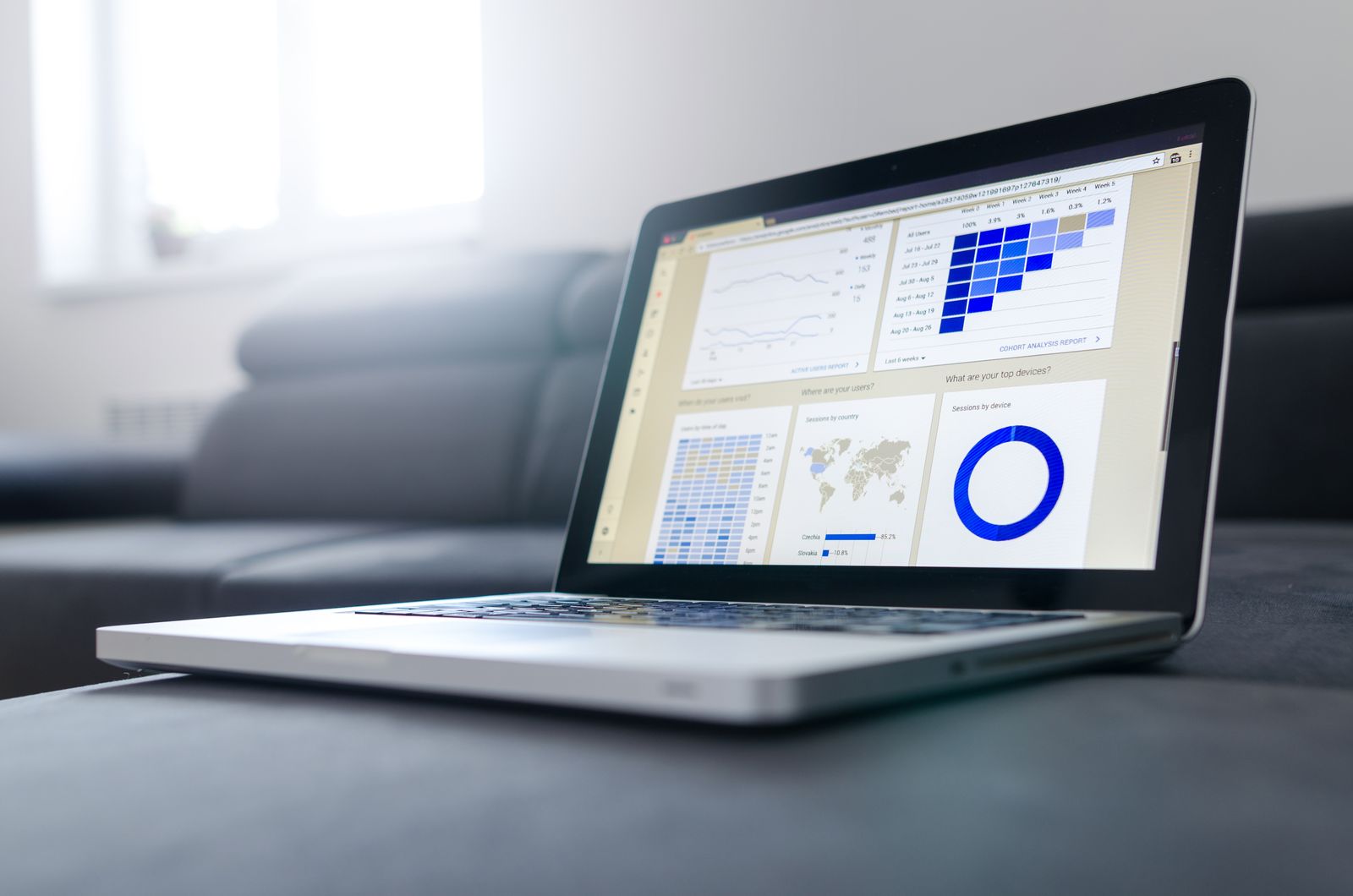
The trucking industry is abuzz with discussions around ELD compliance, with the FMCSA cracking down on non-compliant devices and emphasizing the importance of accurate reporting. As a fleet manager, you understand the significance of staying on top of your fleet's operations, from hours of service (HOS) to vehicle maintenance and driver behavior. One crucial aspect of fleet management is generating reports that provide valuable insights into your operations. Manual reporting can be time-consuming and prone to errors, which is why automated fleet reports are becoming increasingly essential for fleets of all sizes.
The Benefits of Automated Fleet Reports
Automated fleet reports can save you a significant amount of time and resources, allowing you to focus on more strategic aspects of your business. With the help of an ELD solution, such as VELMAX, you can generate reports on various aspects of your fleet's operations, including driver performance, vehicle maintenance, and compliance with FMCSA regulations. These reports can help you identify areas of improvement, optimize your routes, and reduce costs. For instance, automated reports can help you track your drivers' HOS, ensuring that they are complying with FMCSA regulations and reducing the risk of fines and penalties.
Key Reports for Fleet Managers
As a fleet manager, there are several key reports that you should be generating on a regular basis. These include:
- Hours of Service (HOS) Reports: These reports help you track your drivers' hours of service, ensuring that they are complying with FMCSA regulations and reducing the risk of fines and penalties.
- Driver Vehicle Inspection Reports (DVIRs): These reports help you track the condition of your vehicles, ensuring that they are properly maintained and reducing the risk of breakdowns and accidents.
- Compliance Reports: These reports help you track your fleet's compliance with FMCSA regulations, including ELD compliance, HOS compliance, and CSA scores.
- GPS Tracking Reports: These reports help you track the location and movement of your vehicles, optimizing your routes and reducing fuel consumption.
How to Generate Automated Fleet Reports
Generating automated fleet reports is easier than you think. With the help of an ELD solution, you can set up custom reports that meet your specific needs and requirements. Here are a few steps to follow:
- Choose an ELD Solution: Choose an ELD solution that meets your fleet's needs and requirements. Look for a solution that is FMCSA-compliant and offers a range of reporting features.
- Set Up Custom Reports: Set up custom reports that meet your specific needs and requirements. You can choose from a range of report templates or create your own custom reports.
- Schedule Reports: Schedule reports to be generated automatically at set intervals. This can help you stay on top of your fleet's operations and ensure that you are complying with FMCSA regulations.
- Review and Analyze Reports: Review and analyze your reports on a regular basis. This can help you identify areas of improvement, optimize your routes, and reduce costs.
Best Practices for Using Automated Fleet Reports
To get the most out of your automated fleet reports, follow these best practices:
- Review Reports Regularly: Review your reports on a regular basis to stay on top of your fleet's operations and ensure that you are complying with FMCSA regulations.
- Use Reports to Identify Areas of Improvement: Use your reports to identify areas of improvement, such as optimizing routes or reducing fuel consumption.
- Take Action: Take action on the insights and recommendations provided by your reports. This can help you reduce costs, improve efficiency, and ensure compliance with FMCSA regulations.
- Stay Up-to-Date with FMCSA Regulations: Stay up-to-date with FMCSA regulations and guidelines, including changes to HOS rules, ELD compliance, and CSA scores.
Conclusion
Automated fleet reports can save you time and resources, allowing you to focus on more strategic aspects of your business. By generating custom reports on key aspects of your fleet's operations, you can identify areas of improvement, optimize your routes, and reduce costs. With the help of an ELD solution, such as VELMAX, you can streamline your fleet operations and ensure compliance with FMCSA regulations. Remember to review your reports regularly, use them to identify areas of improvement, and take action on the insights and recommendations provided. By following these best practices, you can get the most out of your automated fleet reports and take your fleet's operations to the next level.